
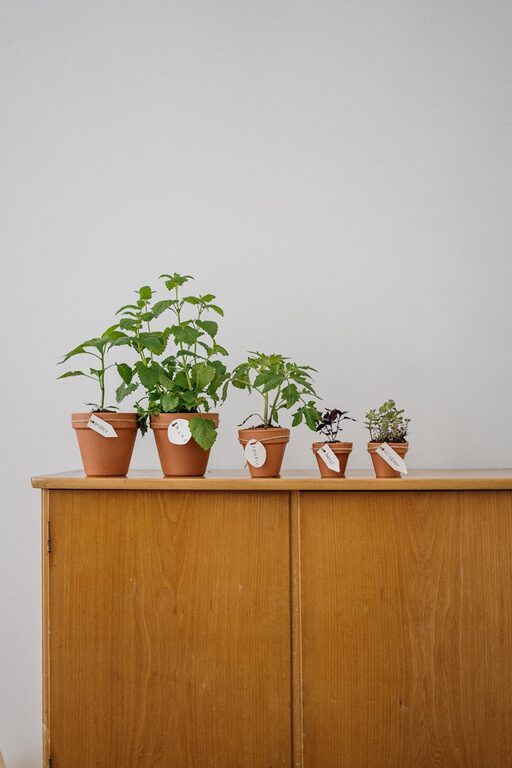
Starting a small herb garden indoors is a wonderful way to add fresh flavors to your cooking, improve your indoor air quality, and enjoy a touch of nature year-round. Whether you have a spacious kitchen window or a cozy apartment nook, growing herbs inside can be simple and satisfying. This guide will walk you through everything you need to know to create your own indoor herb garden from scratch.
Why Grow Herbs Indoors?
Growing herbs inside offers several benefits:
– Freshness: Harvest herbs whenever you need them—no more trips to the store.
– Convenience: Herbs are right at your fingertips in the kitchen.
– Space-saving: Perfect for small apartments or homes without outdoor garden space.
– Health and well-being: Caring for plants can reduce stress and improve your mood.
– Aesthetics: Herbs add greenery and life to your indoor environment.
Choosing the Right Herbs for Indoor Gardening
Not all herbs thrive indoors equally well. Some are especially suited for indoor growth due to their size, light needs, and growth habits. Consider starting with these popular, easy-to-grow herbs:
– Basil: Great for many dishes, prefers bright light.
– Parsley: Tolerates moderate light and cooler temperatures.
– Mint: Hardy and fast-growing; keep it in a separate pot as it spreads quickly.
– Chives: Compact and easy, require moderate light.
– Thyme: Likes bright light and well-draining soil.
– Oregano: Thrives with sunny windows and minimal fuss.
What You’ll Need to Get Started
Before planting, gather some essential supplies:
– Containers: Pots with drainage holes prevent waterlogging. Use planters between 4 to 6 inches in diameter.
– Potting soil: Choose light, well-draining soil formulated for indoor plants.
– Herb seeds or seedlings: Starting from seedlings is quicker, but seeds are cost-effective.
– Light source: Natural sunlight or grow lights if natural light is insufficient.
– Watering can or spray bottle: For gentle watering.
– Labels: To keep track of different herbs.
Step-by-Step Guide to Planting Your Indoor Herb Garden
1. Select a Location
Find a spot in your home that receives plenty of natural light—ideally 6 hours of sunlight daily. A south-facing window is usually best. If your space lacks sufficient natural light, consider investing in LED grow lights designed for plants.
2. Prepare Your Containers
Fill your containers with potting soil, leaving about half an inch of space at the top. Ensure the pots have drainage holes; if not, add a layer of pebbles at the bottom to help with drainage.
3. Plant Seeds or Transplants
– Seeds: Sow seeds according to the packet instructions, usually about 1/4 inch deep. Cover lightly with soil and water gently.
– Seedlings: Make a hole in the soil, place the seedling, and fill around it with soil. Press lightly to secure.
4. Water Properly
After planting, water your herbs until the soil is moist but not soaked. Herbs generally prefer soil that dries slightly between watering. Avoid letting water sit in the saucer under the pot.
5. Provide Adequate Light
If natural light is limited, position a grow light 6-12 inches above the plants. Use a timer to provide 12-16 hours of light daily, mimicking natural conditions.
6. Maintain Ideal Temperature and Humidity
Most herbs thrive at temperatures between 65-75°F (18-24°C). Avoid placing them near drafts, heating vents, or air conditioners. If your indoor air is very dry, increase humidity by misting the leaves or placing a shallow tray of water nearby.
Care Tips for Healthy Indoor Herbs
– Fertilize occasionally: Use a balanced, water-soluble fertilizer every 4-6 weeks during the growing season.
– Prune regularly: Pinch off the tips to encourage bushier growth and prevent flowering, which can reduce leaf flavor.
– Watch for pests: Common indoor plant pests include aphids and spider mites. Wipe leaves regularly and isolate any infested plants.
– Rotate plants: Turn pots every few days to ensure even light exposure and prevent leaning.
Harvesting Your Indoor Herb Garden
Harvest herbs once the plants have enough leaves to sustain growth. Use sharp scissors to snip leaves or stems, harvesting in the morning when oils are most concentrated. Regular harvesting promotes new growth and keeps plants productive.
Troubleshooting Common Issues
– Weak or leggy growth: Usually a sign of insufficient light. Move plants closer to a window or add grow lighting.
– Yellowing leaves: Could be overwatering or poor drainage. Allow soil to dry out before watering again.
– Slow growth: Might need fertilizer or better light conditions.
– Brown leaf tips: Often caused by low humidity or inconsistent watering.
Benefits Beyond Cooking
Indoor herb gardens aren’t just for cooking. Some herbs like lavender or rosemary can also add lovely fragrances to your home. Plus, caring for plants can be a relaxing and rewarding hobby that brings joy and greenery into your daily life.
—
Starting a small indoor herb garden is manageable and enjoyable, even for beginners. With a bit of light, water, and care, you’ll soon have fresh, flavorful herbs to enhance your meals and brighten your home all year round. Happy gardening!