
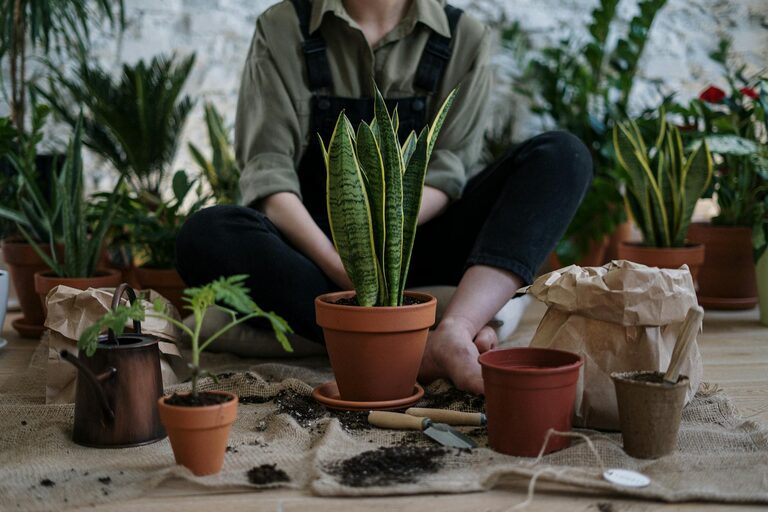
Bringing houseplants into your home is a great way to add life, color, and a touch of nature to your living space. However, keeping your indoor plants healthy and thriving requires some care and attention. Whether you’re a seasoned plant parent or just starting your indoor garden, these tips will help you maintain lush, vibrant houseplants.
Understanding Your Houseplants’ Needs
Every plant species has specific requirements such as light, water, humidity, and soil type. The first step in keeping houseplants healthy is to learn about the needs of each plant in your collection.
Light Requirements
– Bright, indirect light: Many houseplants like pothos, peace lilies, and spider plants thrive near windows with filtered sunlight.
– Direct sunlight: Succulents and cacti prefer several hours of direct sunlight daily.
– Low light: Some plants like snake plants and ZZ plants can survive in low-light conditions but may grow slower.
Knowing your plant’s light preference helps you place it in the right spot in your home to promote healthy growth.
Watering Basics
Overwatering is one of the most common plant care mistakes. Most houseplants prefer their soil to dry out slightly between waterings.
– Check soil moisture by sticking your finger about an inch into the soil.
– Water only when the top inch feels dry.
– Use pots with drainage holes to prevent water from pooling at the bottom.
– Avoid letting plants sit in standing water.
Different plants have different watering needs, so adjust accordingly.
Humidity & Temperature
Houseplants generally appreciate humidity levels between 40-60%. Dry indoor air, especially in winter, can cause leaf edges to brown or drop.
– Mist plants occasionally or use a humidifier.
– Group clusters of plants together to increase humidity naturally.
– Avoid placing plants near heating vents or drafty windows.
Most houseplants prefer temperatures between 65-75°F (18-24°C), so try to keep them away from extreme fluctuations.
Essential Houseplant Care Tips
Follow these practical tips for ongoing health and beauty of your indoor plants.
Choose the Right Pot and Soil
– Use well-draining potting soil designed for indoor plants.
– Repot every 1-2 years to refresh the soil and prevent root bound conditions.
– Select pots that allow for drainage to avoid root rot.
Feed Your Plants
Indoor plants need nutrients to grow well.
– Use balanced, water-soluble fertilizer every 4-6 weeks during the growing season (spring through early fall).
– Reduce or stop feeding in dormancy periods, usually winter.
Prune for Growth
Regular pruning helps plants maintain shape and encourages new growth.
– Remove dead or yellowing leaves.
– Pinch back leggy stems.
– Clean dust off leaves to improve photosynthesis.
Monitor for Pests
Check plants regularly for pests such as spider mites, aphids, or scale insects.
– Wipe leaves with a damp cloth.
– Use insecticidal soap or neem oil if infestations occur.
– Isolate new plants before introducing them to your collection.
Troubleshooting Common Problems
Yellow Leaves
Often caused by overwatering, poor drainage, or low humidity.
Solution: Check watering routine, ensure drainage, and increase humidity.
Brown Leaf Edges
Can indicate dry air or underwatering.
Solution: Mist plants or use a humidifier, and adjust watering schedule.
Leggy Growth
When plants stretch toward light, resulting in thin stems.
Solution: Move the plant to a brighter location or supplement with grow lights.
Wilting
May mean underwatering, root damage, or shock from repotting.
Solution: Check soil moisture and root health, and water appropriately.
Additional Tips for Plant Success
– Rotate plants every week to ensure even light exposure.
– Clean pots and remove dead plant material regularly.
– Experiment with different types of plants to find what works best in your home environment.
– Use plant stands or shelves to organize and beautify your indoor garden space.
Final Thoughts
Taking care of houseplants is a rewarding hobby that brings freshness and tranquility to your home. By understanding your plants’ needs and providing proper care, you can enjoy healthy, vibrant greenery all year long. Remember, patience is key—as plants grow at their own pace, consistent attention and love will help them flourish.
Happy gardening!