
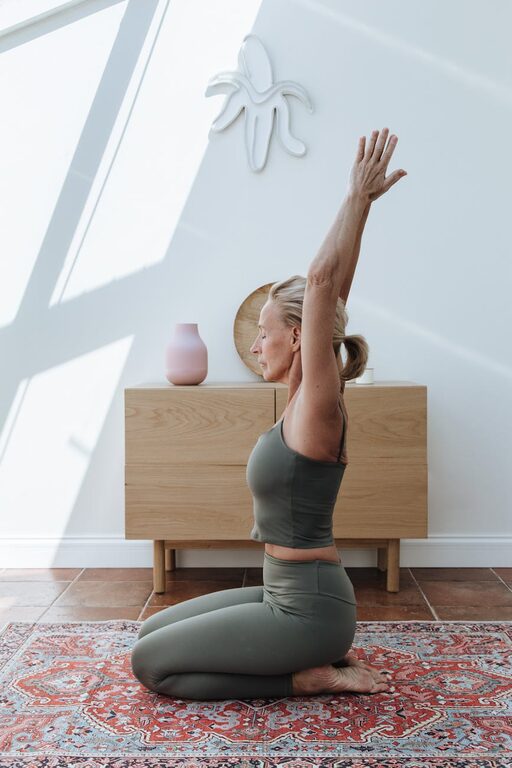
Stretching is a simple yet powerful way to improve your flexibility, reduce muscle tension, and enhance your overall wellbeing. Whether you’re new to fitness or looking to add a healthy habit to your daily routine, stretching at home can be a convenient and enjoyable way to take care of your body. This beginner’s guide will walk you through the basics of stretching, how to get started safely, and some easy stretches you can do anywhere.
Why Stretching Matters
Stretching offers several benefits that go beyond just touching your toes:
– Improves Flexibility: Regular stretching helps lengthen your muscles, making everyday movements easier.
– Reduces Muscle Tension: Stretching can relieve tight muscles and reduce discomfort from sitting or standing for long periods.
– Enhances Posture: Stretching promotes better alignment and can reduce stiffness that causes poor posture.
– Boosts Circulation: Gentle stretching increases blood flow to muscles, supporting recovery and energy.
– Prepares the Body: Stretching before physical activity warms up muscles, reducing the risk of injury.
When and How Often Should You Stretch?
For most people, stretching daily or at least 3-4 times a week is enough to notice improvements. You can stretch:
– In the morning: To gently wake up your muscles and improve circulation.
– Before or after exercise: To prepare your muscles or help them recover.
– During breaks: If you work at a desk, take short stretching breaks to reduce stiffness.
Spend about 10 to 15 minutes each session, focusing on smooth, steady stretches without bouncing.
Stretching Tips for Beginners
Before you start stretching at home, keep these tips in mind to stay safe and get the most benefit:
– Warm Up First: Stretching cold muscles can cause injury. Try a light 5-minute warm-up like walking or marching in place.
– Move Slowly: Ease into each stretch gently and hold it steadily.
– Breathe Deeply: Don’t hold your breath—it helps to breathe deeply to relax your muscles.
– Don’t Push to Pain: Stretch only to the point of mild tension, not pain.
– Hold for 20-30 Seconds: This gives your muscles time to lengthen.
– Stay Consistent: Like any new habit, regular practice helps build flexibility over time.
Easy Stretches You Can Do at Home
Here are some beginner-friendly stretches that target common areas of tightness:
1. Neck Stretch
– Sit or stand tall.
– Slowly tilt your head to the right, bringing your ear toward your shoulder.
– Hold for 20-30 seconds.
– Repeat on the left side.
2. Shoulder Rolls
– Sit or stand with your back straight.
– Roll your shoulders forward in a circle 10 times.
– Then roll backward 10 times.
This helps release shoulder tension.
3. Chest Stretch
– Stand tall and clasp your hands behind your back.
– Straighten your arms and lift your hands slightly while opening your chest.
– Hold for 20-30 seconds.
4. Seated Hamstring Stretch
– Sit on the floor with one leg extended straight.
– Bend the other leg so the sole of the foot rests against the inner thigh.
– Slowly lean forward toward the extended foot, keeping your back straight.
– Hold for 20-30 seconds and switch legs.
5. Cat-Cow Stretch (for back flexibility)
– Get on all fours with your hands under shoulders and knees under hips.
– Arch your back, dropping your belly toward the floor, lifting your head (Cow Pose).
– Then round your back towards the ceiling while tucking your chin (Cat Pose).
– Alternate slowly 8-10 times.
6. Standing Quadriceps Stretch
– Stand near a wall or chair for balance.
– Bend your right knee and grab your ankle behind you.
– Keep your knees close together and push your hip forward slightly.
– Hold for 20-30 seconds, then switch legs.
7. Child’s Pose (resting stretch)
– Kneel on the floor, then sit back onto your heels.
– Extend your arms forward and lower your chest toward the floor.
– Hold for 30 seconds to relax your back and shoulders.
Creating a Stretching Routine
To build a simple routine, try the following schedule:
- Warm up (5 minutes walking or marching in place)
- Neck stretch (both sides)
- Shoulder rolls (10 forward and 10 backward)
- Chest stretch
- Seated hamstring stretch (both legs)
- Cat-Cow stretch (8-10 cycles)
- Standing quadriceps stretch (both legs)
- Child’s pose to relax
Doing this routine 3-4 times per week will help improve your flexibility and reduce muscle stiffness.
Additional Tips for Success
– Use a mat or soft surface to be comfortable during floor stretches.
– Wear comfortable clothing that allows you to move easily.
– Stay hydrated especially if you stretch after exercise.
– Listen to your body: Some days your muscles may be tighter—modify stretches accordingly.
– Combine with other activities: Stretching pairs well with walking, yoga, or light strength training.
When to Seek Guidance
If you experience sharp pain, dizziness, or a pre-existing injury, consult a fitness professional or healthcare provider before continuing. They can help tailor stretches safely for your needs.
—
Stretching at home is a wonderful and accessible way to care for your body and enhance your daily comfort. With just a few minutes a day, you can build flexibility, reduce tension, and feel more energized. Start slow, stay consistent, and enjoy the benefits of a more flexible you!